
Off-Road vs. On-Road Gear: Key Differences You Should Know
When it comes to motorcycle gear, one size does not fit all especially when comparing off road and on-road riding. Each type of riding presents unique challenges and demands, and your gear needs to match those requirements to ensure maximum protection, comfort, and performance.
In this post, we’ll break down the key differences between off road and on-road motorcycle gear so you can choose the right equipment for your next ride.
1. Protection: Tailored to the Terrain
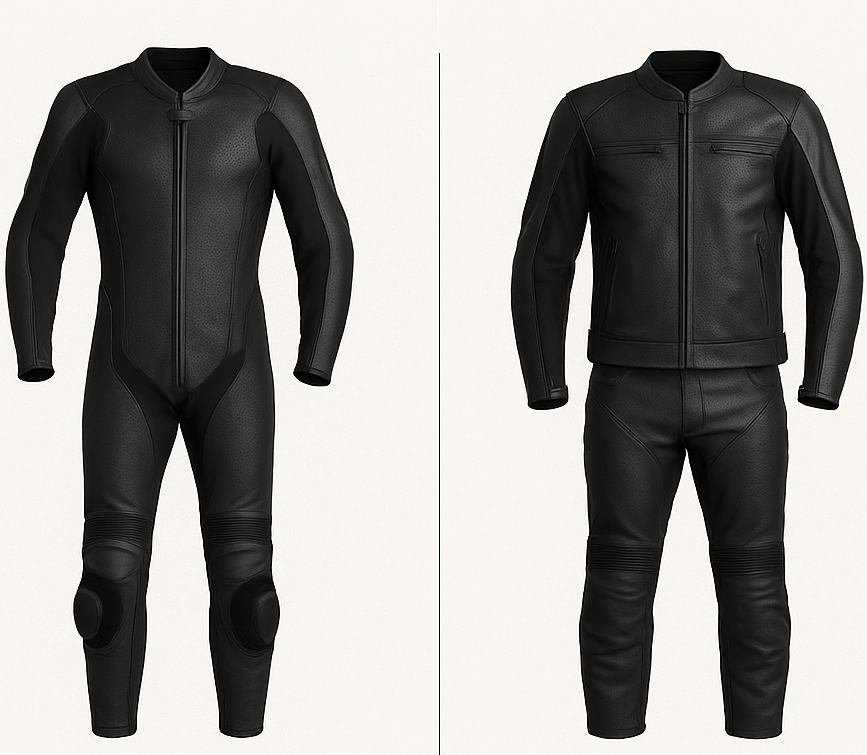
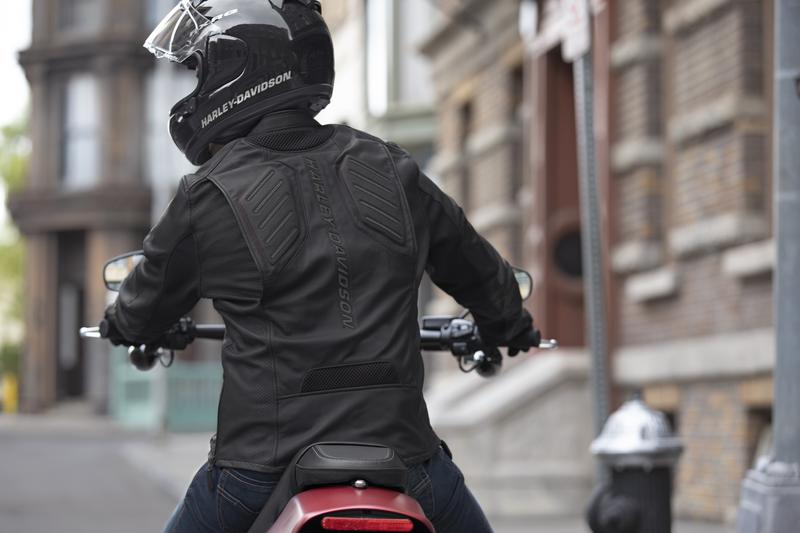
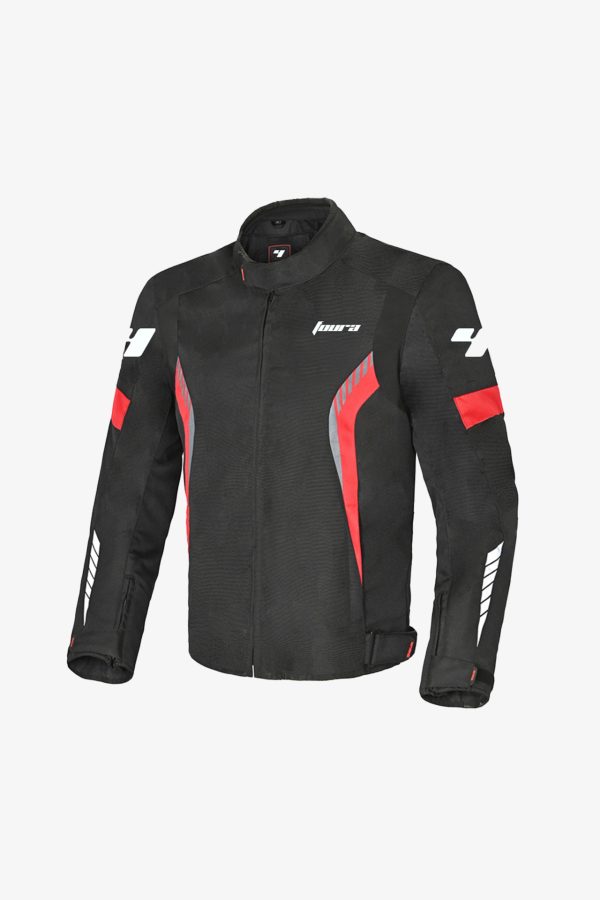
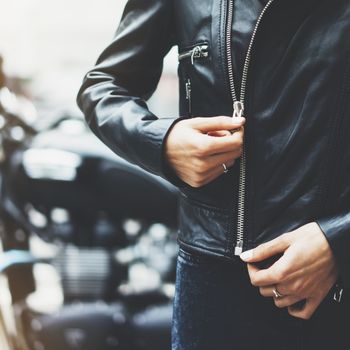
- On-Road Gear: Designed for high-speed crashes on pavement. Includes CE-certified armor in impact zones (shoulders, elbows, back, hips, and knees), abrasion-resistant materials like leather or advanced textiles, and reinforced seams.
- Off-Road Gear: Focuses on impact protection with less emphasis on abrasion resistance. You’ll find hard-shell protectors, chest guards, knee braces, and neck supports to handle crashes on dirt, rocks, or uneven terrain. Abrasion isn’t the main threat—impact and flexibility are.
2. Materials & Construction
- On-Road Gear: Uses heavy-duty materials like cowhide leather or advanced textiles with Kevlar, Cordura, or Aramid reinforcements. Construction focuses on durability, aerodynamics, and weather protection.
- Off-Road Gear: Prioritizes lightweight and breathable materials. Gear is typically made from flexible fabrics like polyester or nylon, with mesh panels for ventilation. Mobility is key, so off-road gear is looser and more flexible.
3. Fit & Mobility
- On-Road Gear: Snug fit to reduce wind resistance and keep armor in place at high speeds. This can limit movement slightly but increases safety during road riding.
- Off-Road Gear: Loose fit allows for a full range of motion and the ability to wear protective armor underneath. The extra room also helps with heat dissipation and comfort during physically demanding rides.
4. Ventilation & Climate Control
- On-Road Gear: Often includes adjustable vents, removable liners, and waterproof membranes to deal with variable weather and longer rides.
- Off-Road Gear: Designed to keep riders cool. Includes mesh ventilation, moisture-wicking fabrics, and little to no waterproofing since off-road riders typically deal with short bursts of extreme physical effort.
5. Helmet Differences
- On-Road Helmets: Feature full-face coverage, aerodynamic shapes, sound insulation, and visors designed for speed and weather protection.
- Off-Road Helmets: Include extended chin bars for ventilation, sun peaks to block glare, and are designed to be worn with goggles instead of built-in visors.
6. Boots & Gloves
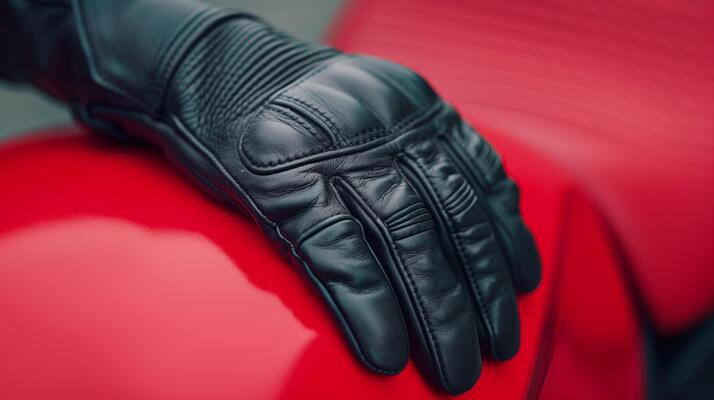
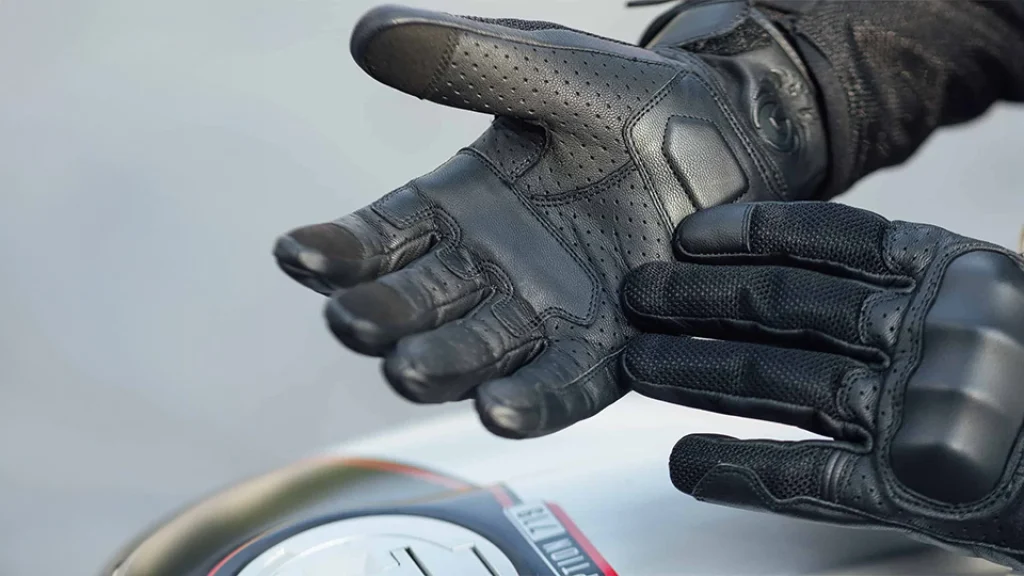
- On-Road: Road boots offer ankle protection, impact absorption, and reinforced soles with grippy outsoles. Gloves are abrasion-resistant with knuckle protection and wrist support.
- Off-Road: Boots are taller and stiffer for ankle and shin protection. Gloves prioritize grip, ventilation, and flexibility, with minimal padding for better handlebar control.
Which Gear Is Right for You?
It all comes down to where and how you ride. Road gear protects against high speed impacts and asphalt abrasion, while off-road gear is engineered for flexibility, breathability, and protection from rough terrain and debris.
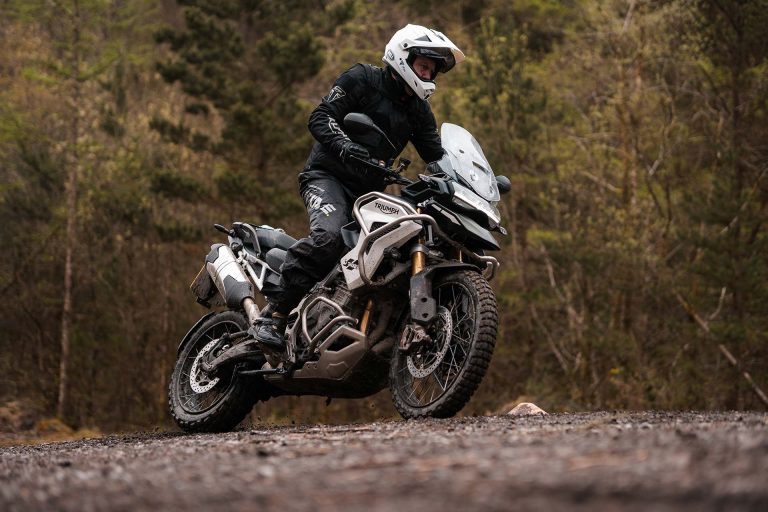
If you’re a dual-sport rider, consider a hybrid solution or modular gear that allows you to adapt to various riding environments.
Ride Protected with Foura.
At Foura, we understand that the road and the trail demand different approaches. That’s why we offer CE-approved motorbike gear tailored to your riding style on-road, off-road, or anywhere in between. Explore our latest collections and gear up with confidence.